Events | Food/Diet | IBD
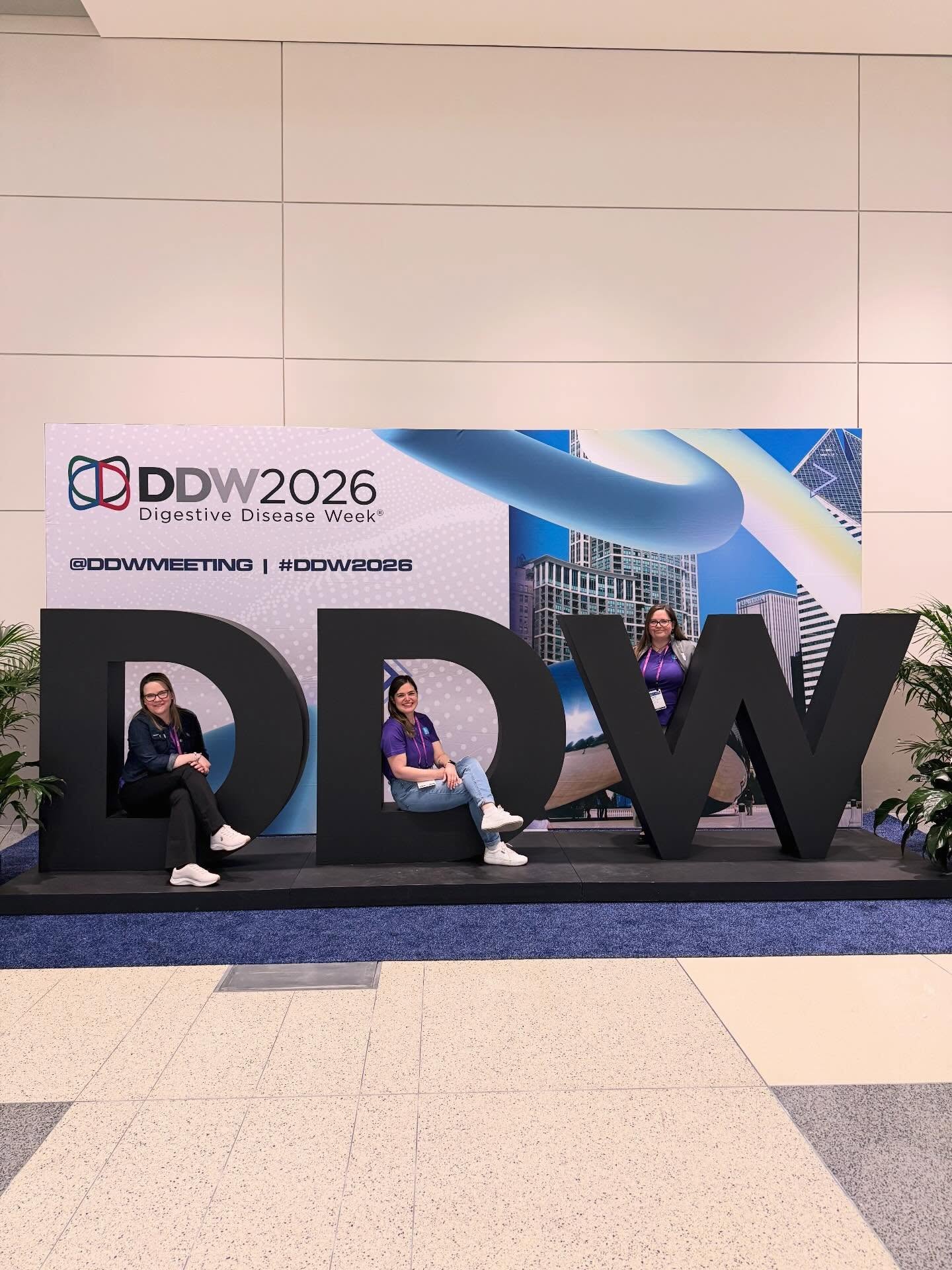
 Girls With Guts has now attended five Digestive Disease Week conferences and somehow, DDW 2026 managed to feel both bigger and more intentional than ever before.
This year, President Alicia, Director of Development Manda, and Director of Programs, Tori showed up ready to once again connect with researchers, clinicians, industry partners, and fellow patient advocates. While the scale of DDW is always impressive, what stood out most this year wasn’t just the innovation – it was the growing emphasis on integration: how science, care, and lived experience can (and should) work together.
If last year was about the gut microbiome taking center stage, this year felt like a continuation, but with more direction.
Research is no longer just asking what exists in the microbiome, but how do we actually use this information to improve patient outcomes?
Across sessions and conversations, there was a noticeable push toward:
It’s one thing to understand the science – it’s another to make it actionable. This shift was felt everywhere.
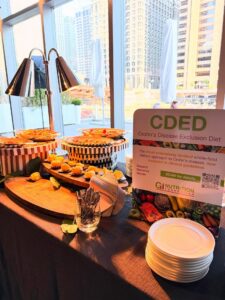 Another consistent and impactful theme this year,was the role of food in IBD – not in a restrictive or oversimplified way but a more nuanced, realistic conversation about access, personalization, and sustainability.
There’s growing recognition that:
This came to life in a powerful way during the reception IBD Nutrition in Practice: A Culinary Experience hosted by the GI Nutrition Foundation, where real-world examples showed how different dietary approaches can be integrated in ways that feel approachable, even enjoyable. It wasn’t about restriction – it was about creativity, flexibility, and removing fear from food.
For a community that constantly navigates the relationship between food and symptoms, seeing nutrition framed as something that can still hold joy and meaning felt both validating and overdue.
 The exhibit hall also continues to be a space where innovation meets curiosity. This year was no exception. The IBD treatment landscape is moving fast – like, really fast. Thinking back to 20+ years ago, when several of our Board Members were diagnosed, it barely feels like the same world. There are more options now, more precision, and more possibility. One of the bigger shifts right now is the move toward combination therapies in IBD. Instead of relying on a single treatment, we’re starting to see strategies that layer therapies, often combining biologics with immunosuppressants, or even pairing newer advanced agents together.
The goal is better control for people who haven’t responded to standard options, but it also reflects how complex this disease really is, and how individualized treatment is becoming.
While there’s always excitement around brand-new developments, one of the most interesting takeaways this year was how many innovations were built on tools and treatments that already exist – just made better, more accessible, and more patient-friendly.
We saw:
None of these are entirely “new” in concept – but that’s what made them stand out – because for patients, innovation isn’t always about reinventing the wheel. Sometimes, it’s about refining what already exists in a way that actually fits into daily life.
Beyond the products themselves, what stood out most were the conversations behind the booths.
More companies and researchers are asking:
 Outside of the exhibit hall, the GWG team once again showed up in spaces where patient advocacy is not just welcomed, but necessary.
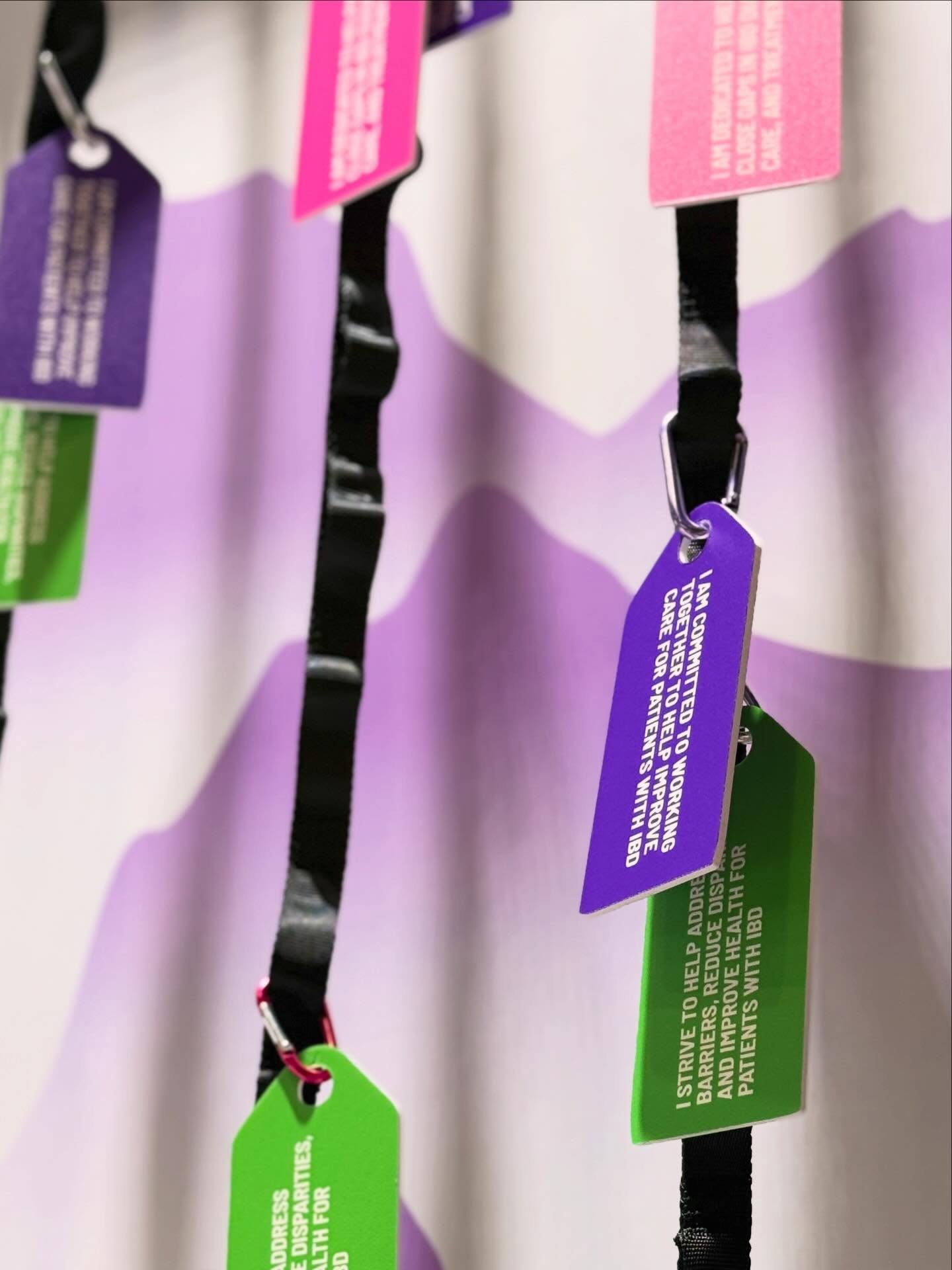
At the session Bridging the Communication Gap for Better IBD Care: A Collaborative Approach, organized by Monday Night IBD and Color of Gastrointestinal Illness (COGI), patients and providers came together to name the very real gaps that still exist in care and more importantly, how we begin to close them. The conversation reinforced something we already know deeply: the patient voice is not anecdotal – it’s essential. There is still work to be done, but there is also momentum.
More providers, researchers, and organizations are recognizing that lived experience is critical to shaping better outcomes. And when patients are included in the conversation, the future of care becomes more connected, more compassionate, and more effective.
DDW is never a light experience and this year was no different. This year DDW was nicknamed the “GI Super Bowl” and that could not be more true. It’s long days, constant movement, and information overload – but it’s also connection, validation, and a reminder that progress is happening, even when it feels slow.
The GWG team left DDW 2026 feeling tired, inspired, and more grounded in the direction this space is heading. Because this year didn’t just feel like learning – it felt like movement aligned across the board and we’re already looking ahead to what’s next!
See you next year at #DDW2027, D.C.!